November 23, 2026
Your roof protects everything beneath it, yet it is easy to forget about until something goes wrong. Small problems can develop quietly for months before they show up as stains, drips, or damaged shingles. Knowing what to expect before you schedule a visit helps you feel prepared and in control. This guide explains what happens during an inspection and how to get the most from the appointment. Each section covers a stage of the experience so you know what lies ahead.
Learning When to Schedule an Inspection
Many homeowners wait for obvious damage before they call, but waiting can allow small issues to grow. According to the inspection services page, regular roof inspections are recommended after storms, hail, or high winds, when buying or selling a home, for insurance claim documentation, and for routine maintenance. The same guidance warns against waiting for obvious damage to appear. Scheduling a visit at these key moments helps you catch problems while they are still manageable. A well-timed appointment also gives you useful information when you make decisions about your home. Making this a habit protects the value of your property over time. Reaching out early is almost always easier than responding to an emergency. Planning also gives you time to compare options and schedule work when it suits you best.
Preparing for the Free Estimate and Consultation
The first step is a conversation about your concerns and what you have noticed around your home. Free inspections and free, same-day estimates are available, so you can learn about your options without a financial commitment. A roof inspection often begins by discussing recent storms, visible damage, or plans to sell your home. Sharing this background helps the inspector know where to focus. Keeping notes about leaks, stains, or noises gives the team valuable clues. Coming prepared with questions makes the visit more productive. A clear conversation at the start sets the tone for the rest of the process. The more the team understands about your concerns, the more helpful the evaluation will be.
Examining Shingles, Flashing, and Seals
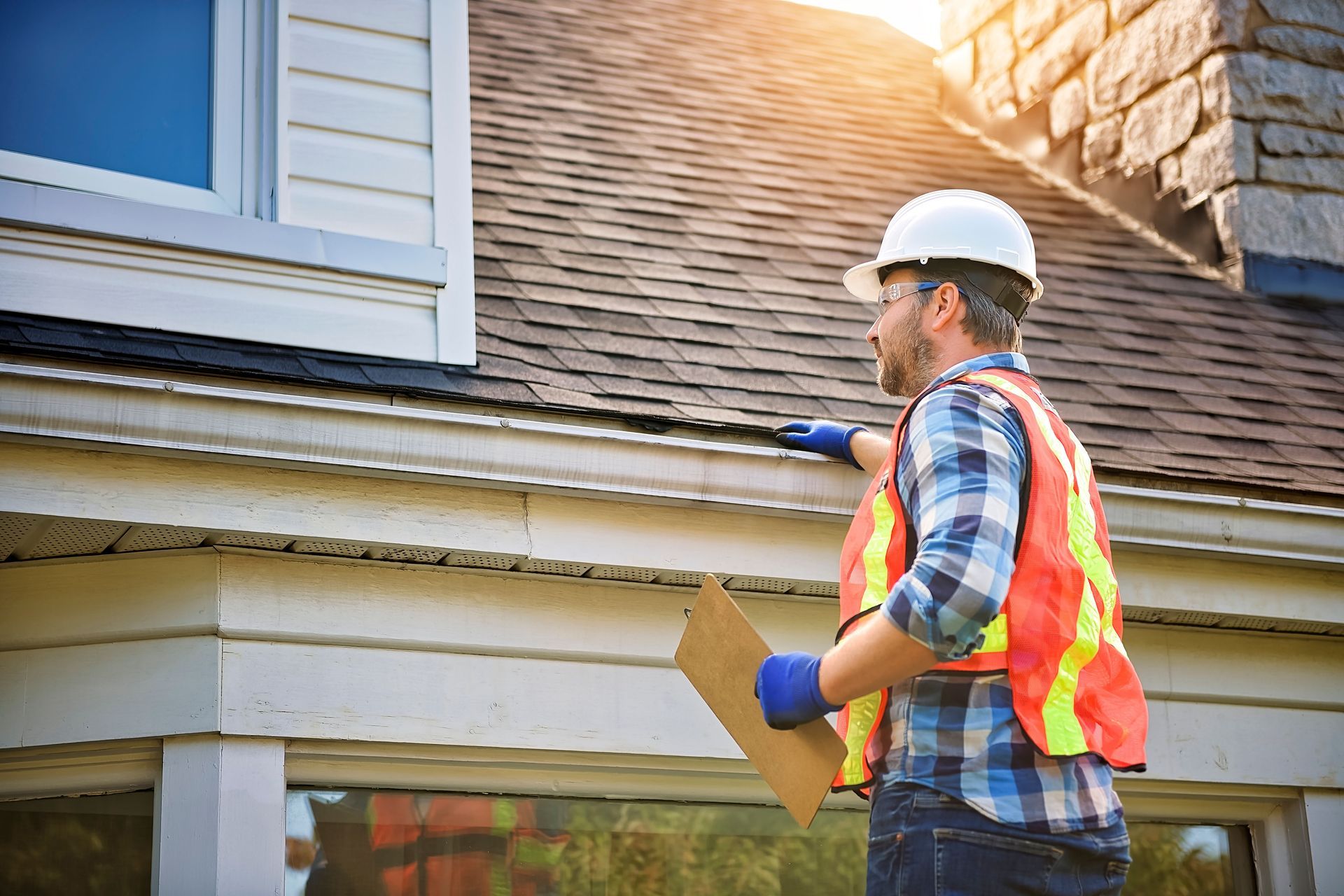
The surface of your roof is the first line of defense against weather. During a roof inspection, the inspector checks for missing, cracked, or curling shingles. Flashing and seals around chimneys, vents, and other penetrations are also examined. These areas are common places for leaks to begin. Catching a small flaw early can prevent water from reaching the inside of your home. A careful look at these details helps you understand the true condition of your roof. Knowing what is happening on the surface helps you plan any needed repairs. Even minor wear is worth noting because it can become a larger concern after another season of weather.
Checking Gutters and Attic Ventilation
A roof works as part of a larger system that includes gutters and airflow. A thorough roof inspection looks at gutters for blockages, alignment problems, and loose attachment. Attic ventilation is assessed to address heat buildup and moisture. Poor airflow can create conditions that harm the roof from the inside. Gutter problems can allow water to collect where it does not belong. Looking at these parts together gives a more complete picture of your home. Many roofing problems begin in places that homeowners rarely think to examine. Addressing them early supports the long-term performance of the entire roofing system. A balanced system is better able to handle heat, moisture, and changing weather.
Assessing Structure and Moisture Concerns
Some of the most important findings are the ones that cannot be seen from the ground. A roof inspection also checks for sagging or weakened decking. Inspectors look for leaks, water infiltration, and buildup that could cause mold or rot. These concerns can affect the safety and comfort of your household. Finding them early can keep a small repair from becoming a major project. Taking moisture seriously protects both your roof and your home. A careful evaluation gives you the information you need to act in time. Early awareness often means simpler solutions and fewer disruptions to your household.
Receiving Detailed Reports With Photographs
After the visit, you should expect clear information about what was found. A roof inspection includes a detailed report with photographs, along with recommendations and guidance on next steps. Photographs help you see the same issues the inspector saw. Having the findings in writing makes it easier to compare options and plan your budget. A written record also gives you something to refer back to as time passes. The report can also help you discuss the roof with family members or a future buyer. Clear documentation removes guesswork from your decisions. Understanding your report puts you in control of what happens next. Asking the inspector to explain anything unclear ensures you are comfortable with every recommendation.
Documenting Storm Damage for Insurance Claims
Storms can cause damage that is difficult to notice without a close look. A roof inspection after a storm can document damage with photos and detailed reports. The company works directly with insurance companies to manage claims on the customer's behalf. Reports and photographs can serve as documentation for claims. Storm damage repair and emergency roofing services are also available when urgent problems arise. Acting quickly after a storm helps you protect your home from further harm. Prompt attention can limit the spread of water and reduce the scope of repairs. Having support through the claims process can make a stressful situation easier to handle. Organized documentation also helps keep the claim moving without unnecessary delays.
Moving Forward With Repairs or Replacement
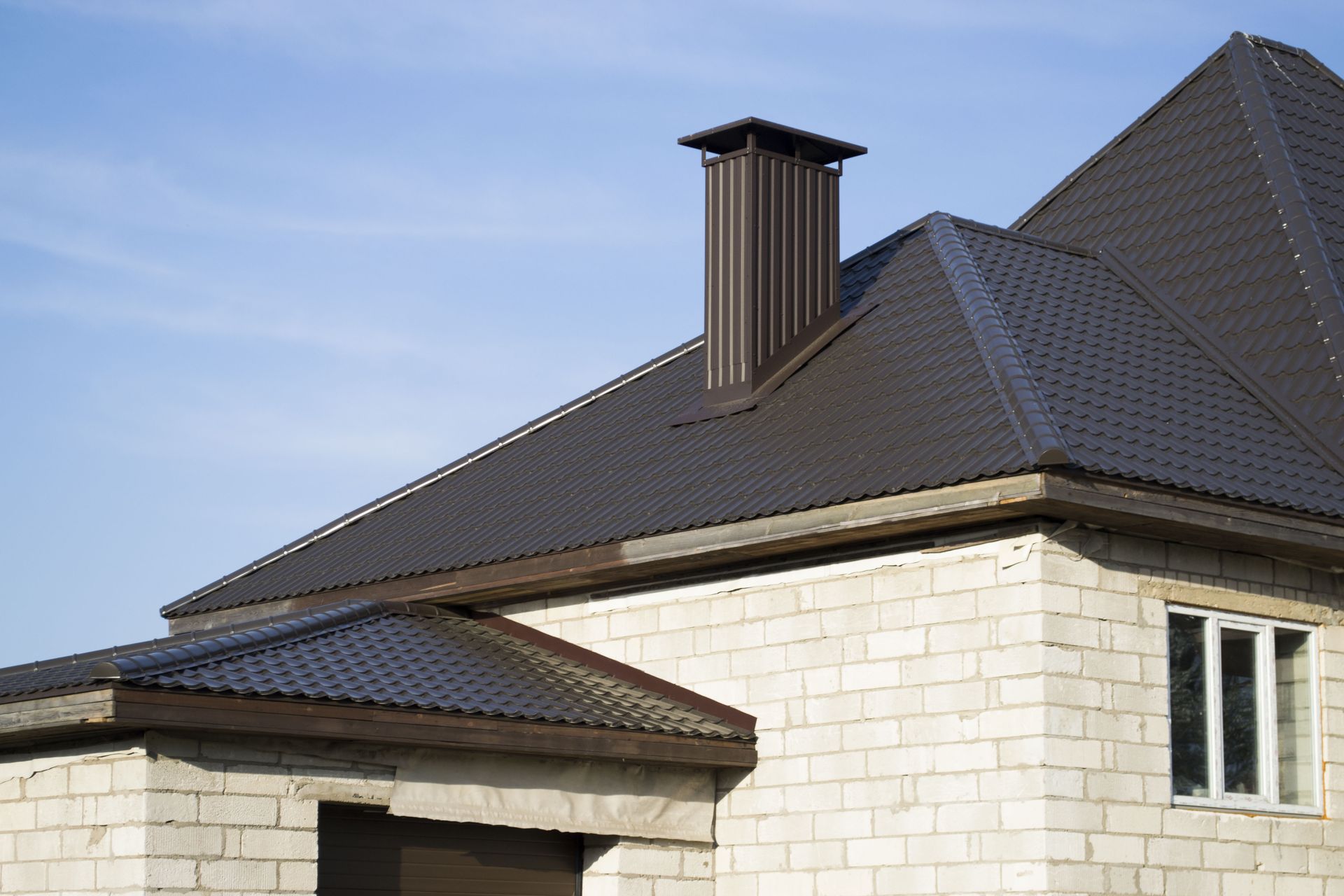
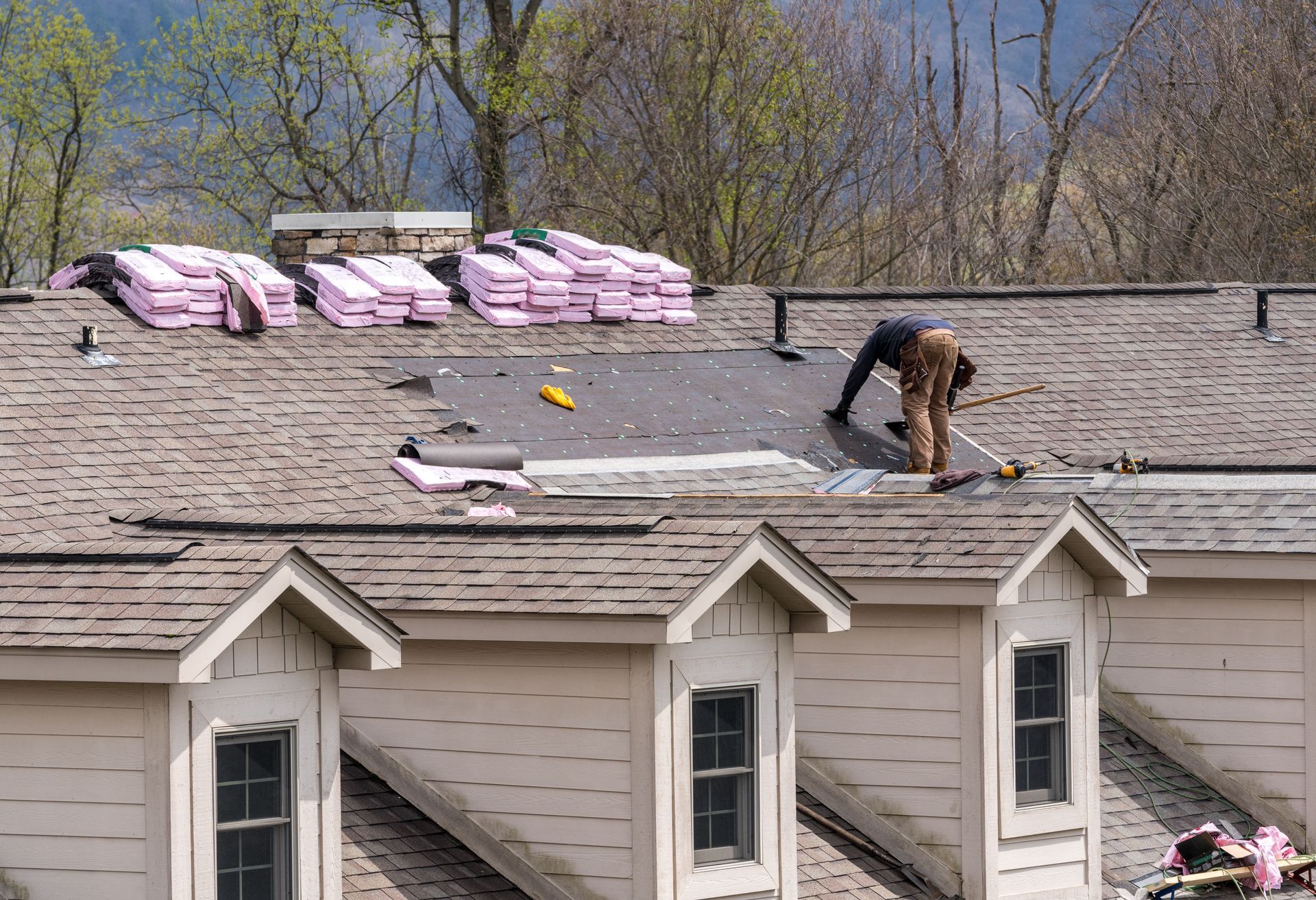
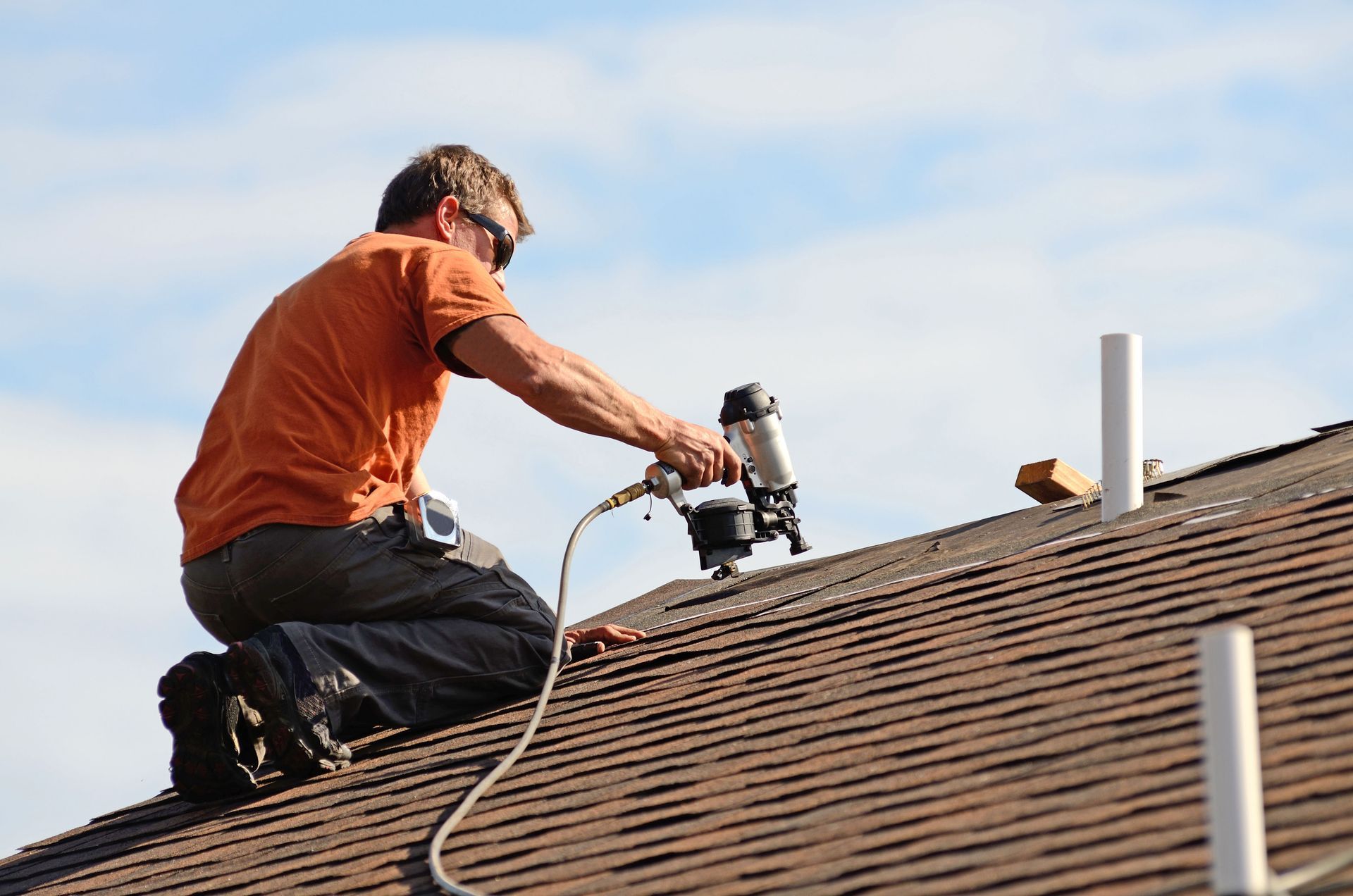
Once you understand your roof's condition, the next step is deciding what to do about it. Roof repair is available for problems such as missing shingles and minor leaks, while roof replacement is an option when repair is no longer enough. Asphalt shingle, metal, and flat-roof systems are among the roofing types offered. Flexible financing options are available to help fit the work into your budget. Workmanship warranties and manufacturer warranties are available as well. Talking through your choices helps you select the path that suits your home. Taking your time to review the details helps you feel comfortable with your decision. A clear understanding of your options prevents surprises once the work begins.
Choosing a Licensed and Certified Local Team
The company you hire shapes the quality of your experience from the first call to the final cleanup. The team has protected homes and businesses in Central Ohio for over 30 years and includes certified CertainTeed ShingleMasters. Professionals are licensed, insured, and trained in industry best practices. Strict on-site safety protocols are followed, and customers are kept informed throughout the project. Quality checks take place during and after installation. That attention to detail helps ensure the finished work meets expectations. Gutters, siding, decks, and patios can also be scheduled together with roofing work. Choosing a knowledgeable local team makes the entire process smoother. Local experience also means the team understands the conditions homes face across the region.
Tim the Roof Guy, LLC serves homeowners and businesses throughout Central Ohio, including Powell, Westerville, Dublin, Hilliard, Gahanna, and surrounding areas. Our certified team offers free inspections, free same-day estimates, roof repair, roof replacement, and emergency roofing services. We are fully licensed and insured, and we help customers manage insurance claims from start to finish. We look forward to helping you protect your home with clear information and careful work. For more information, contact us today!