January 15, 2026
Maintaining a roof is crucial to the longevity of your home. Knowing whether to repair or replace it is a decision homeowners often face. With many factors to consider—cost, age, condition, and even environmental impact—this guide will help you make an informed choice. From spotting damage to understanding insurance coverage and exploring eco-friendly options, here’s what you need to know about roofing decisions.
Your roof is one of the most important investments you’ll make as a homeowner. While it might not always be visible or top-of-mind, its health directly affects your comfort, energy bills, and property value. Taking a proactive approach can save money, stress, and unexpected surprises down the line. By the end of this article, you’ll feel more confident in deciding whether to repair, replace, or maintain your roof with the help of trusted roofing services.
1. Inspecting Your Roof’s Condition
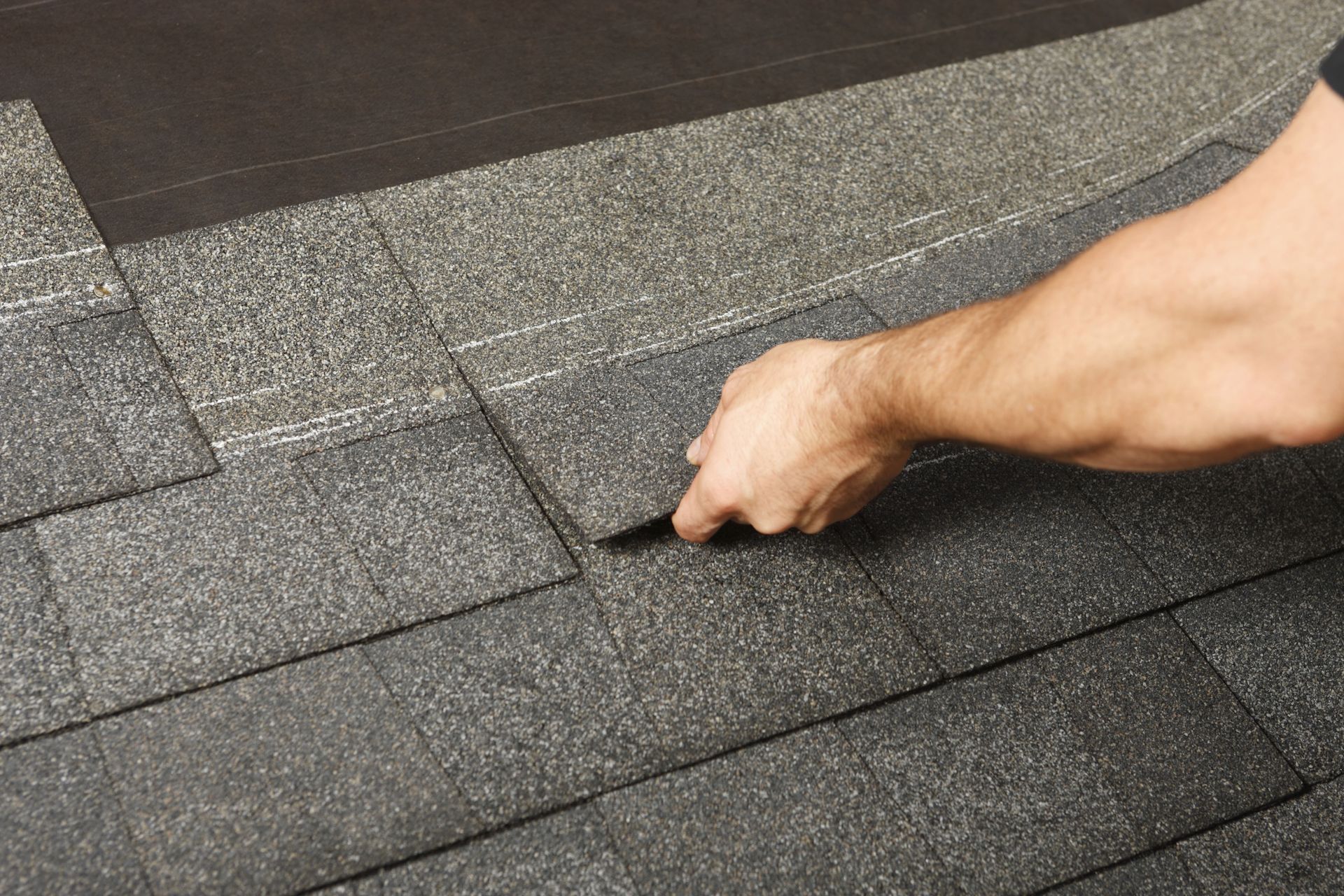
The first step in deciding whether to repair or replace your roof is understanding its current condition. Look for visible signs of damage like missing shingles, cracked tiles, or rust spots. Even moss or algae growth can trap moisture and compromise the roof’s structure over time. Water stains or leaks inside your home often signal problems that need immediate attention.
Regular inspections after storms or heavy snowfall are essential. Catching damage early prevents costly repairs and protects the integrity of your home. Physical age matters too. Most roofs have a lifespan of 20-30 years depending on materials. Older roofs may not show obvious issues but can still be past their prime. According to This Old House, over the past three years, nearly 31% of homeowners nationwide have pursued roof renovation, repair, or maintenance projects—showing how common proactive roof care is.
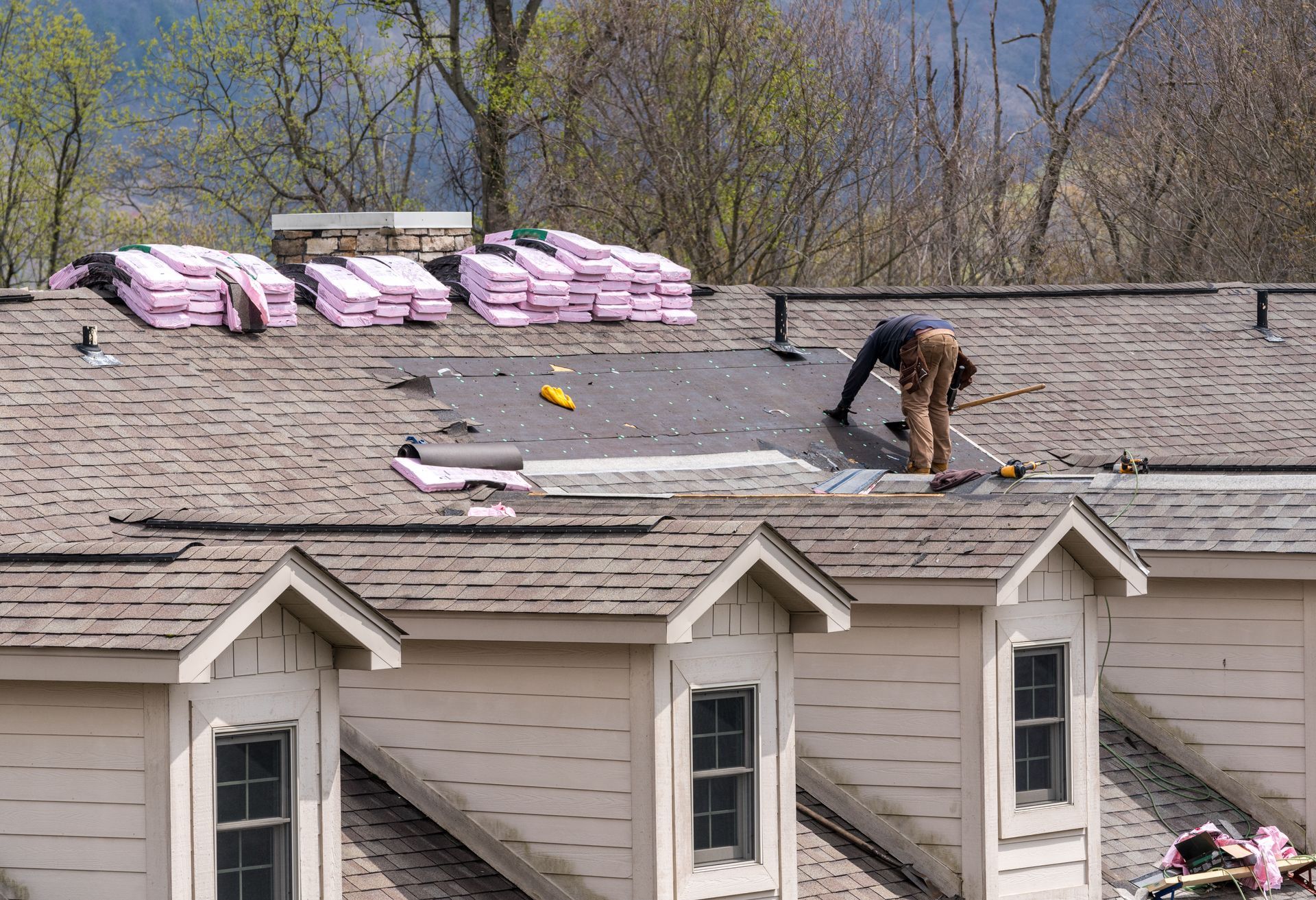
Professional roofing services can provide thorough evaluations, including inspecting underlayment, flashing, and attic ventilation—areas homeowners might overlook. They can identify issues before they become visible problems, such as structural weakening or hidden water damage. Even small, seemingly harmless problems like curling shingles or minor leaks can escalate quickly if left untreated.
A routine roof inspection not only helps you plan financially but also ensures that your home stays safe and protected from elements. Consider scheduling inspections at least once a year and after any significant weather events. A trained eye can spot subtle signs that indicate whether repair or replacement is the smarter choice.
2. Evaluating Repair Frequency
How often you need repairs can be a strong indicator of your roof’s overall health. Frequent fixes often point to underlying problems that patches cannot resolve. Repeated repairs can become disruptive, costly, and inconvenient. Homes exposed to harsh weather or older materials may experience more frequent issues, signaling that replacement could be the more practical solution.
It’s important to track repair history carefully. If you’ve had to patch leaks or replace shingles multiple times in a single year, that’s a red flag. Continuing to repair may temporarily fix the issue but does nothing to address the root cause. Consulting professional roofing services can reveal whether repeated problems are due to installation flaws, material defects, or natural aging.
Frequent repairs can also affect household routines. Constant construction, scaffolding, and noise can disrupt daily life and even impact property aesthetics. Moreover, piecemeal repairs can create a patchwork appearance, reducing curb appeal. By evaluating repair frequency in context with other factors like age and weather impact, you gain a more accurate picture of your roof’s needs.
Sometimes, repair frequency is influenced by local climate. Areas with heavy rainfall, strong winds, or extreme heat accelerate wear on roofing materials. In such cases, replacing the roof with more durable, weather-resistant materials may save money in the long run.
3. Considering Roof Age
Age impacts home safety and energy costs. Worn roofs may compromise insulation, leading to higher heating or cooling bills. They can also be less able to support modern upgrades, like solar panels or rooftop HVAC systems. Evaluating your roof’s age alongside professional inspections helps you make a strategic decision. Consulting reliable roofing services ensures your roof meets current standards and expectations.
Older roofs are often more vulnerable during storms. Wind can lift brittle shingles, while frozen water or ice dams may cause cracking. Even small, incremental deterioration over the years can add up. Homeowners who invest in timely replacement often prevent much larger issues, like structural damage or mold growth, that result from neglected aging roofs. Beyond functionality, the aesthetic of an older roof may no longer align with your home’s exterior. Upgrading can improve both property value and curb appeal. Many homeowners find that replacement is worth the investment for the combination of peace of mind, enhanced energy efficiency, and improved appearance.
4. Comparing Repair and Replacement Costs
Short-term repairs may seem attractive because of lower upfront costs, but frequent repairs add up. Replacing your roof is more expensive initially, yet it can reduce long-term maintenance costs, enhance energy efficiency, and increase your home’s value. Repair costs vary depending on the issue—minor fixes like replacing a few shingles may be inexpensive, but repairing structural damage or leaks caused by water infiltration can become costly. Replacement, on the other hand, is a larger upfront investment but often comes with warranties that protect you for years.
Professional roofing services can provide detailed cost analyses, helping you compare total repair costs over time against the investment in a new roof. It’s important to consider not just material and labor costs but also the hidden costs of frequent repairs, such as disruption, stress, and potential damage to the home interior. A replacement roof can also be an opportunity to upgrade materials. Modern shingles, metal panels, or eco-friendly options can last longer and offer additional benefits such as improved insulation and energy savings. While the sticker price is higher, the cumulative savings often outweigh repeated repair costs. Planning ahead with professionals ensures you make a cost-effective decision.
5. Reviewing Insurance and Financing Options
Insurance coverage plays a significant role in roofing decisions. Most homeowner policies cover damage from storms or fire, but older roofs may only receive partial coverage due to depreciation. Being aware of what your policy covers and documenting roof maintenance can help secure better reimbursement.
Financing options are available to ease the financial burden. Home improvement loans, equity lines of credit, and contractor financing can make replacement or repair manageable. Expert roofing services can guide you through these options, ensuring that you choose solutions suited to your budget and timeline.
Insurance and financing considerations are especially critical for unexpected emergencies. For instance, if a storm causes sudden damage, you’ll want to know your policy coverage and the quickest way to secure repairs. Advanced planning with a professional team prevents financial surprises and ensures timely solutions.
6. Assessing Environmental and Energy Impact
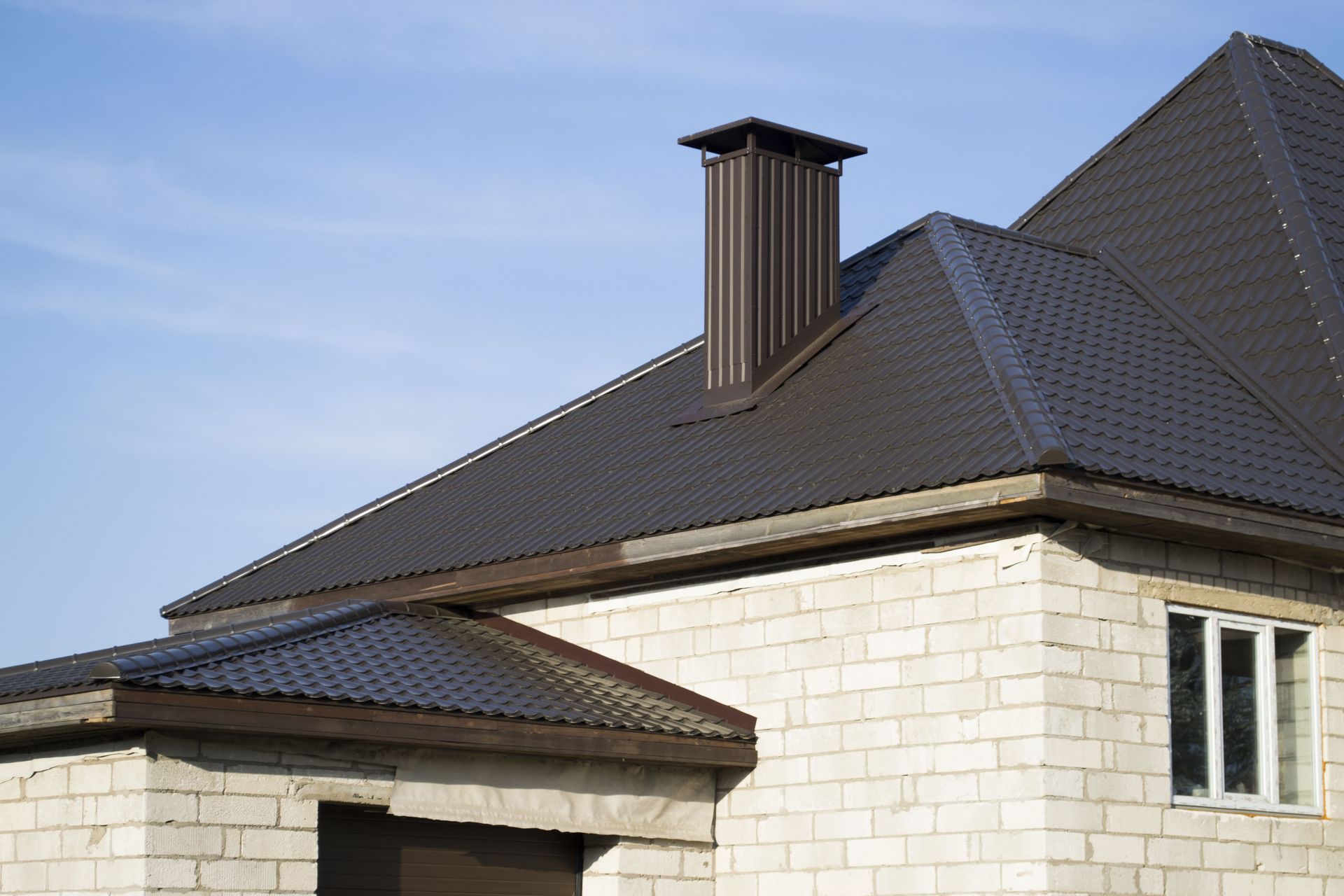
Modern roofing is not just about protection—it can improve energy efficiency and reduce environmental impact. Eco-friendly materials like recycled metal, rubber, and reclaimed wood minimize your carbon footprint while providing durability. Energy-efficient roofing reduces heating and cooling costs, and some materials even qualify for local rebates.
Recycling old roofing materials also supports sustainability. Asphalt shingles can be repurposed for road construction, while metals and wood can be reused in new projects. Choosing professional roofing services experienced in green solutions ensures environmentally responsible practices while maintaining high-quality results. Energy efficiency can be further enhanced by insulation upgrades or reflective coatings during replacement. These improvements reduce energy loss, making your home more comfortable year-round while lowering utility bills. For eco-conscious homeowners, pairing a new roof with sustainable installation practices is a win-win.
7. Making the Final Decision
Deciding between repair and replacement involves weighing multiple factors: roof condition, age, repair frequency, costs, insurance coverage, and environmental considerations. Frequent repairs, significant damage, or an aging roof typically point toward replacement, while minor or isolated issues may only require repairs. Working with professional roofing services provides expert evaluations tailored to your home. They help identify risks, offer accurate cost estimates, and recommend the best course of action. A thorough approach ensures long-term safety, efficiency, and peace of mind.
Taking a proactive approach to your roof protects not just your home, but also your wallet and family. By addressing problems early, planning financially, and choosing the right materials, you make a strategic investment that pays off for years. Protect your home and make the right choice today. Contact Tim the Roof Guy, LLC to schedule a consultation and secure expert roofing services you can rely on.