February 18, 2026
Homeowners in the Pacific Northwest and beyond are increasingly looking for ways to protect their greatest investment from the unpredictable whims of Mother Nature. When you partner with a professional roofing company, one of the most frequent questions asked is whether modern materials can truly stand up to the extreme cycles of wind, ice, and impact that define our winters. While traditional asphalt shingles have been the standard for decades, metal roofing has emerged as the premier choice for those seeking ultimate resilience. At Tim the Roof Guy, LLC, we've seen firsthand how these systems transform a home’s exterior from a simple cover into a fortress.
Defying the Force of High Winds
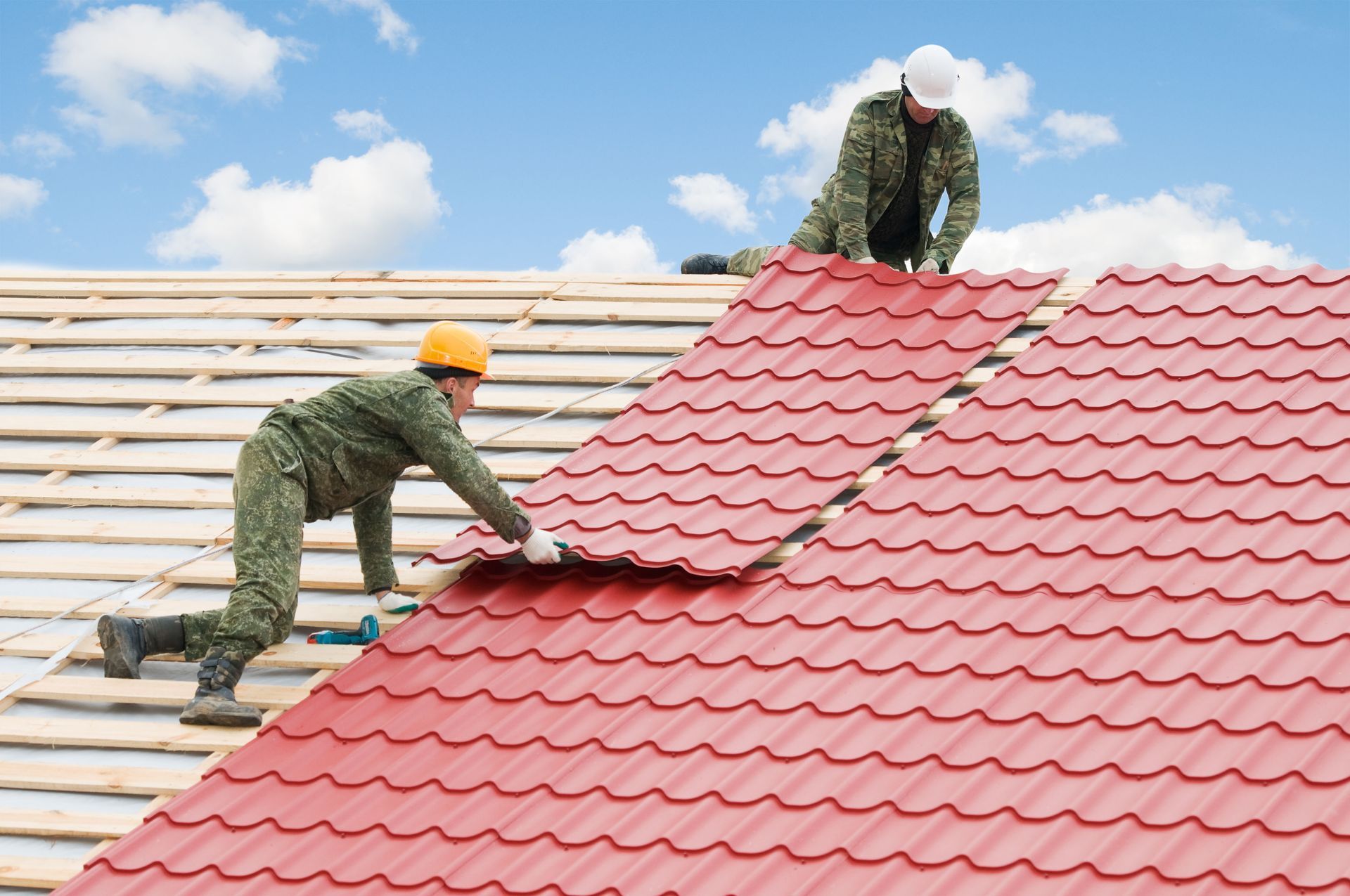
Wind damage is often the most insidious threat to a residential structure. During a severe storm, the pressure difference between the interior of a home and the exterior can create a powerful uplift effect. Traditional materials like wood shakes or asphalt shingles are susceptible to shingle blow-off, where high-speed gusts catch the edge of a piece and peel it away. Once a single shingle is lost, the underlying deck is exposed to water intrusion, leading to a cascade of expensive structural issues. A specialized roofing company installs metal panels using large-format sheets or interlocking tiles that are mechanically fastened directly to the roof deck. This creates a continuous surface that is incredibly difficult for the wind to penetrate.
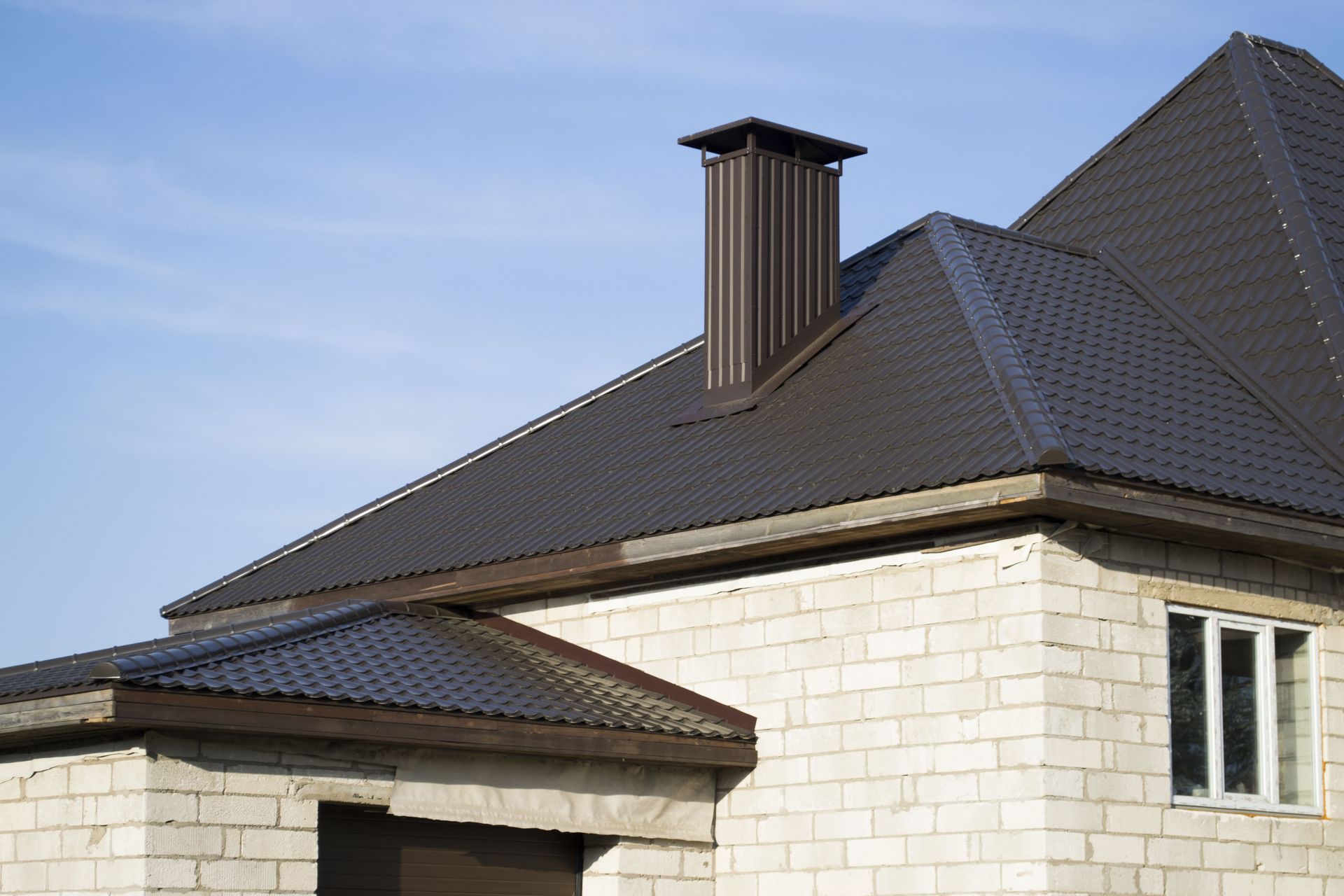
Most high-quality metal systems are rated to withstand winds exceeding one hundred and forty miles per hour. This is achieved through the use of heavy-duty clips and screws that maintain a tight seal even when the atmosphere is turbulent. Because there are fewer edges for the wind to grab, the "sail effect" is virtually eliminated. When you hire a qualified roofing company to handle the installation, they ensure that the perimeter flashings and ridge caps are secured with precision, as these are the areas where wind uplift usually begins. By choosing metal, you're investing in a system designed to stay put when the sirens start to wail.
Withstanding the Impact of Heavy Hail
Hail remains one of the most common causes of insurance claims across the country. For a standard roof, a significant hailstorm can lead to bruising, granule loss, and cracking, which immediately compromises the waterproofing layer. However, metal roofing is renowned for its impact resistance. Most metal products carry a Class 4 impact rating, which is the highest level of protection available in the industry. While a massive hailstorm might cause minor cosmetic dimpling on certain types of metal, the structural integrity of the panel remains intact. Unlike brittle materials that shatter or crack under the weight of falling ice, metal absorbs and distributes the energy of the impact.
Homeowners often worry about the aesthetic longevity of their roof after a storm. It's important to note that many modern metal finishes are designed to be thick and resilient, masking small imperfections while preventing the metal from ever being breached. When a roofing company assesses a home after a hail event, they often find that while the gutters and siding have suffered, the metal roof is still performing its primary job of keeping the interior dry. This durability means fewer emergency repairs and a much lower likelihood of needing a full replacement after a single bad season.
Managing the Weight of Heavy Snow
In regions prone to heavy snowfall, the primary concern is the weight load on the rafters and the potential for ice damming. Metal is a naturally "cool" material that sheds snow far more efficiently than textured surfaces. Because the surface is smooth and often treated with specialized coatings, snow tends to slide off in small, manageable amounts rather than piling up to dangerous depths. This prevents the massive weight accumulation that can lead to structural sagging or even collapse in older homes. A knowledgeable roofing company will often recommend the installation of snow guards to control this shedding process, ensuring that the snow doesn't fall all at once and damage landscaping or walkways.
Ice dams are another winter headache that metal roofing effectively solves. Ice dams occur when heat escapes from the attic, melts the bottom layer of snow on the roof, and then refreezes at the cold eaves. This ridge of ice traps water behind it, which then seeps under shingles. Because metal is a heat conductor and is installed with an airtight fastening system, it's much less prone to the "freeze-thaw" cycle that plagues asphalt. The water simply runs off the slick surface before it has a chance to freeze into a dam. By choosing a metal system, you're choosing a roof that works with the climate rather than fighting against it.
Maximizing the Value of Long-Term Longevity
Beyond its immediate performance in a storm, the greatest strength of metal is its sheer endurance. Many homeowners are tired of the twenty-year replacement cycle that comes with cheaper materials. According to This Old House, when kept in good condition, metal roofs are capable of remaining functional for 50 years or longer. This incredible lifespan is due to the fact that metal doesn't rot, crack, or support the growth of moss and algae, which are common problems in damp climates. When you work with a reputable roofing company, you aren't just buying a roof for the next decade; you're often buying the last roof you'll ever need to install on your home.
This longevity also translates into significant environmental and financial benefits. Because metal lasts so long, it stays out of landfills far longer than asphalt shingles, which contribute millions of tons of waste annually. Furthermore, the reflective properties of metal can lower cooling costs in the summer, making it a year-round performer. A professional roofing company can help you calculate the long-term savings of metal versus asphalt, and the results almost always favor the metal option when you factor in the reduced need for repairs and the extended replacement interval. It's a sustainable choice that honors both your wallet and the planet.
Choosing the Expertise of Professional Installation
The performance of a metal roof is only as good as the hands that install it. Unlike other materials that might allow for a bit of DIY margin for error, metal requires specialized tools and a deep understanding of thermal expansion and contraction. Metal expands when it gets hot and contracts when it gets cold. If a roofing company doesn't account for this movement during the fastening process, the panels can buckle or the fasteners can back out over time. Professional installers use precision techniques to ensure the roof can "breathe" while remaining completely watertight.
From the initial measurement to the final inspection, every step must be executed with a focus on the specific challenges of your local climate. This includes choosing the right gauge of steel or aluminum and selecting a coating that will resist fading and chalking under UV exposure. A dedicated roofing company takes the time to explain these technical details, ensuring you feel confident in the protection over your head.
When the next big storm rolls through, that peace of mind is worth every penny of the initial investment. You deserve a home that feels like a sanctuary, regardless of what the weather report says for the week ahead. If you're ready to upgrade your home with a roof that can withstand the toughest elements, contact Tim the Roof Guy, LLC today to schedule your professional consultation and estimate.