July 16, 2026
Emergency roof damage rarely happens at a convenient time, and the impact can escalate quickly if it is not addressed with urgency and precision. Homeowners and property managers often find themselves dealing with sudden leaks, storm damage, or structural concerns that require immediate attention. This is where professional roofing services become essential, helping stabilize conditions and prevent further deterioration. A fast, informed response can make the difference between a manageable repair and a costly rebuild.
Understanding Emergency Roofing Services
Emergency services address urgent issues that threaten a building’s safety and structural integrity, often caused by storms, debris, or sudden failure. The goal is to stabilize the roof quickly and prevent further interior damage. A reliable roofing service focuses on immediate containment before permanent repairs begin.
Weather is a major trigger. According to industry insights from Fixr, more than 50% of residential insurance claims involve wind and hail damage, which often leads to roof failure when paraphrased into practical terms. These events can expose underlayment and allow water intrusion, which spreads quickly through the structure.
Fast response from roofing services is critical because delays increase repair costs and risks like mold, electrical issues, and structural weakening. Quick action helps limit damage and reduce insurance complications.
Responding to Roofing Emergencies
When a roofing emergency occurs, the first priority is controlling exposure to the elements. Roofing services typically begin with rapid assessments to determine the severity of the damage and identify immediate risks. This step ensures that the response is targeted and effective rather than reactive and incomplete. Quick decision-making is essential in minimizing long-term consequences.
Temporary protective measures such as tarping or sealing exposed areas are commonly used to stop further water intrusion. These solutions are not permanent fixes but serve as a critical buffer until full repairs can be completed. In many cases, these services will also address active leaks by applying temporary waterproofing materials that reduce ongoing interior damage. This immediate stabilization helps prevent damage from spreading into insulation, drywall, and electrical systems.
Another key part of emergency response is hazard control. Loose shingles, weakened decking, or fallen debris can pose safety risks to occupants and workers. Professional services often secure these areas first to ensure the property remains safe to access. This structured approach reduces the likelihood of injury while allowing repairs to proceed more efficiently.
Stabilizing Damaged Roofs
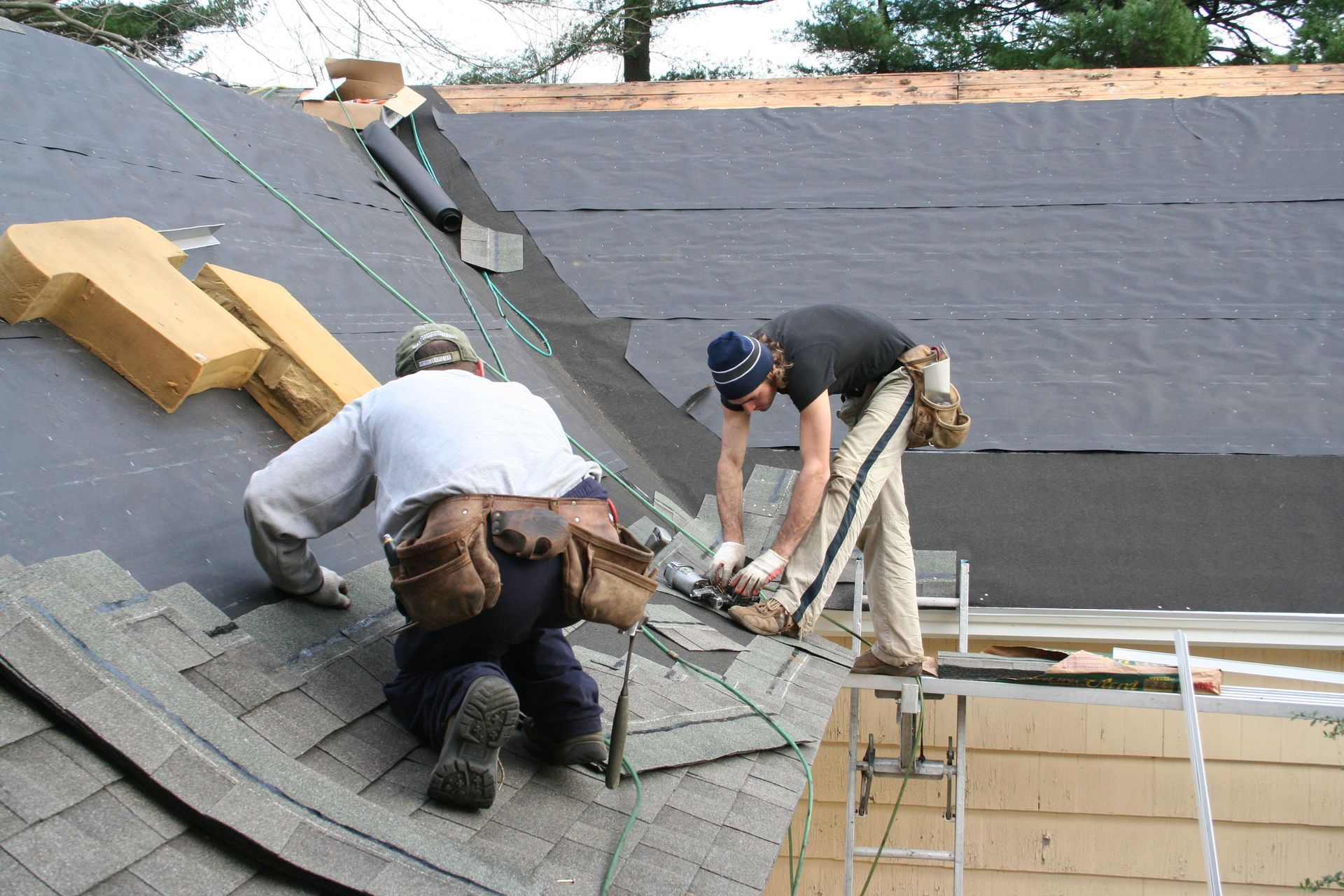
Once immediate threats are controlled, the next step is stabilizing the roof system to prevent further deterioration. This involves securing loose materials, removing debris, and reinforcing weakened areas. Roofing services focus on restoring temporary structural integrity so that more comprehensive repairs can be planned and executed safely.
Stabilization also includes evaluating hidden damage that may not be immediately visible. Moisture penetration can spread beneath shingles and decking, weakening internal layers of the roof. Professional services use diagnostic methods to identify these issues early and prevent long-term complications. Without this step, small unseen problems can develop into major structural failures over time.
At this stage, communication with property owners becomes essential. Clear explanations of damage extent and repair timelines help set realistic expectations. These services that prioritize transparency make it easier for homeowners to understand the scope of work required and the urgency behind each step. This also supports better coordination with insurance providers and restoration planning.
Selecting Emergency Roofing Services Provider
Choosing the right emergency services provider plays a major role in how effectively a situation is resolved. Experience, licensing, and availability are key factors that should always be considered. A qualified provider can respond quickly, assess damage accurately, and implement immediate protective solutions without delay.
Reputation is another important indicator of reliability. Homeowners often rely on reviews and past project performance to gauge whether a provider can deliver consistent results under pressure. In emergency situations, services with a proven track record are more likely to handle unexpected complications efficiently. Consistency in communication and workmanship becomes especially important when time is limited.
Availability is critical during severe weather events or widespread storm damage. Providers offering 24/7 services ensure that emergencies are addressed as soon as they occur, reducing the window for additional damage. Fast response times combined with clear communication create a more controlled and less stressful recovery process. It also ensures that temporary protections are installed before conditions worsen.
Managing Insurance Claims Processing
Insurance plays a significant role in covering the costs associated with emergency roof repairs. Most policies include protection against storm-related damage, which is one of the most common causes of roofing failures. Roofing services often assist homeowners in documenting damage to support the claims process and ensure accurate reporting.
Proper documentation is essential for successful claims. Photos, written assessments, and professional evaluations help establish the extent of the damage and justify repair costs. These services typically provide detailed reports that can be submitted directly to insurance providers for review. This reduces confusion and helps streamline communication between all parties involved.
Miscommunication or incomplete information can slow down approvals and lead to reduced settlements. Working closely with experienced services helps ensure that no critical detail is overlooked during the claims process. This improves the likelihood of receiving fair compensation for repairs and restoration work. It also helps avoid delays that can extend property vulnerability.
Preparing for Roofing Emergencies
Preparation is one of the most effective ways to reduce the impact of unexpected roof damage. Regular inspections allow property owners to identify small issues before they develop into emergencies. Preventive maintenance supported by professional services helps extend the lifespan of roofing systems and reduce long-term repair costs.
Having an emergency response plan in place is equally important. This includes knowing who to contact, understanding insurance coverage, and keeping access to these services. When damage occurs, having this information readily available reduces response time and minimizes confusion. It also ensures that temporary repairs can begin without unnecessary delays.
Financial preparation also plays a role in effective emergency response. Setting aside emergency funds ensures that immediate repairs can be addressed without waiting for insurance approval. Roofing services can often provide temporary solutions while long-term claims are processed, helping maintain stability during recovery. This combination of planning and professional support reduces stress during unexpected events.
Recovering and Maintaining Roof Systems
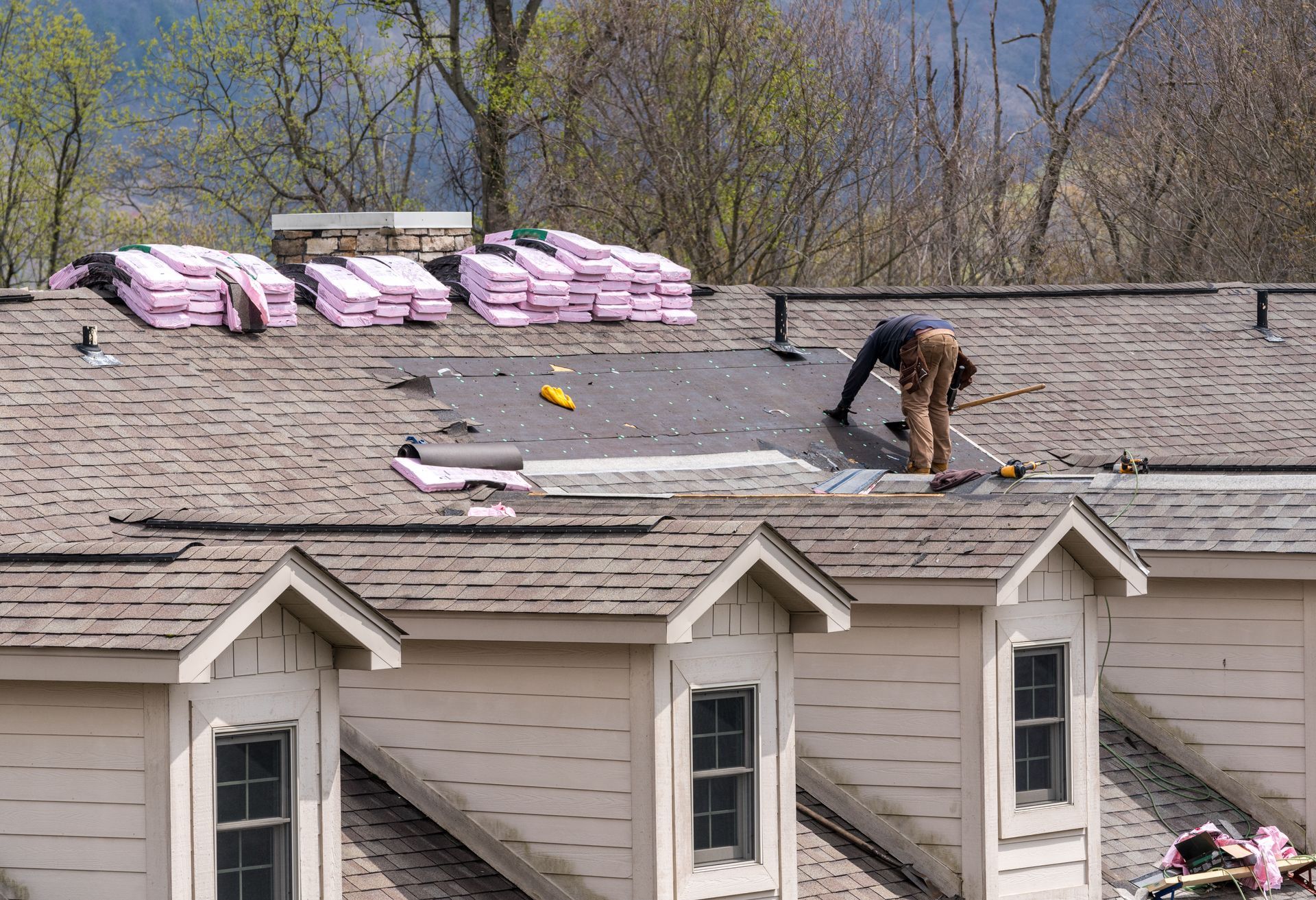
After emergency repairs are completed, the focus shifts to long-term recovery and maintenance. A full inspection is typically conducted to identify remaining vulnerabilities and ensure the roof system is fully restored. Roofing services play a key role in transitioning from temporary fixes to permanent solutions that improve long-term durability.
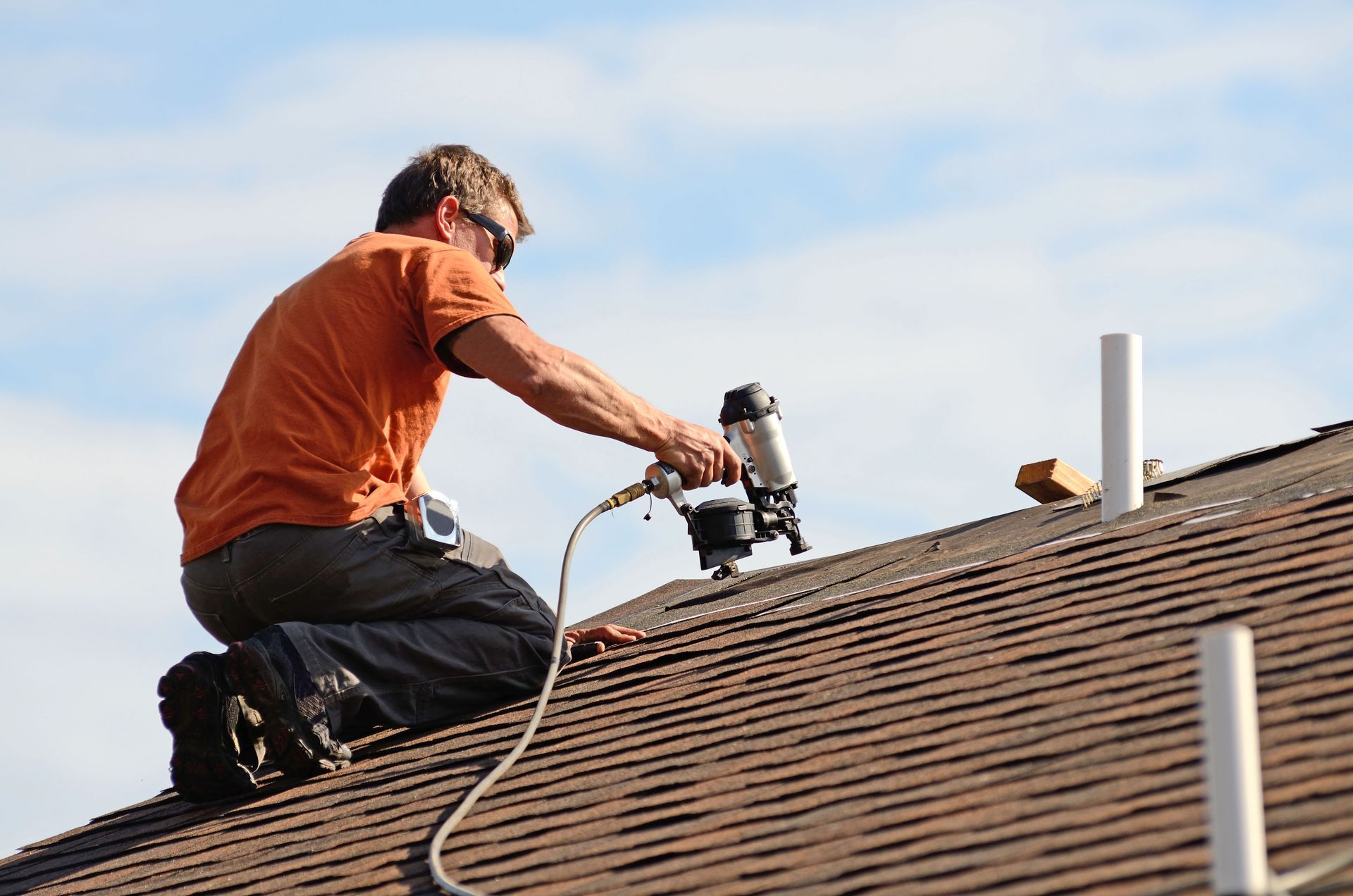
Durable repair work often involves replacing damaged materials and reinforcing weak points. High-quality materials and proper installation techniques help improve resistance to future weather events. These services that emphasize long-term performance contribute to better structural reliability over time. This reduces the likelihood of repeat emergencies and unexpected failures.
Ongoing maintenance is essential for preventing future issues. Routine inspections, gutter cleaning, and minor repairs help preserve roof integrity. Consistent attention from professional services reduces the likelihood of unexpected failures and supports long-term property protection. Over time, this proactive approach lowers repair costs and improves overall safety.
Emergency roofing situations require fast action, informed decision-making, and reliable professional support to prevent escalating damage. From initial response to long-term recovery, each step plays a critical role in maintaining structural safety and minimizing repair costs. Understanding how these services operate in urgent conditions helps property owners respond more effectively when problems arise. For dependable emergency response and expert support, contact Tim the Roof Guy, LLC.