June 15, 2026
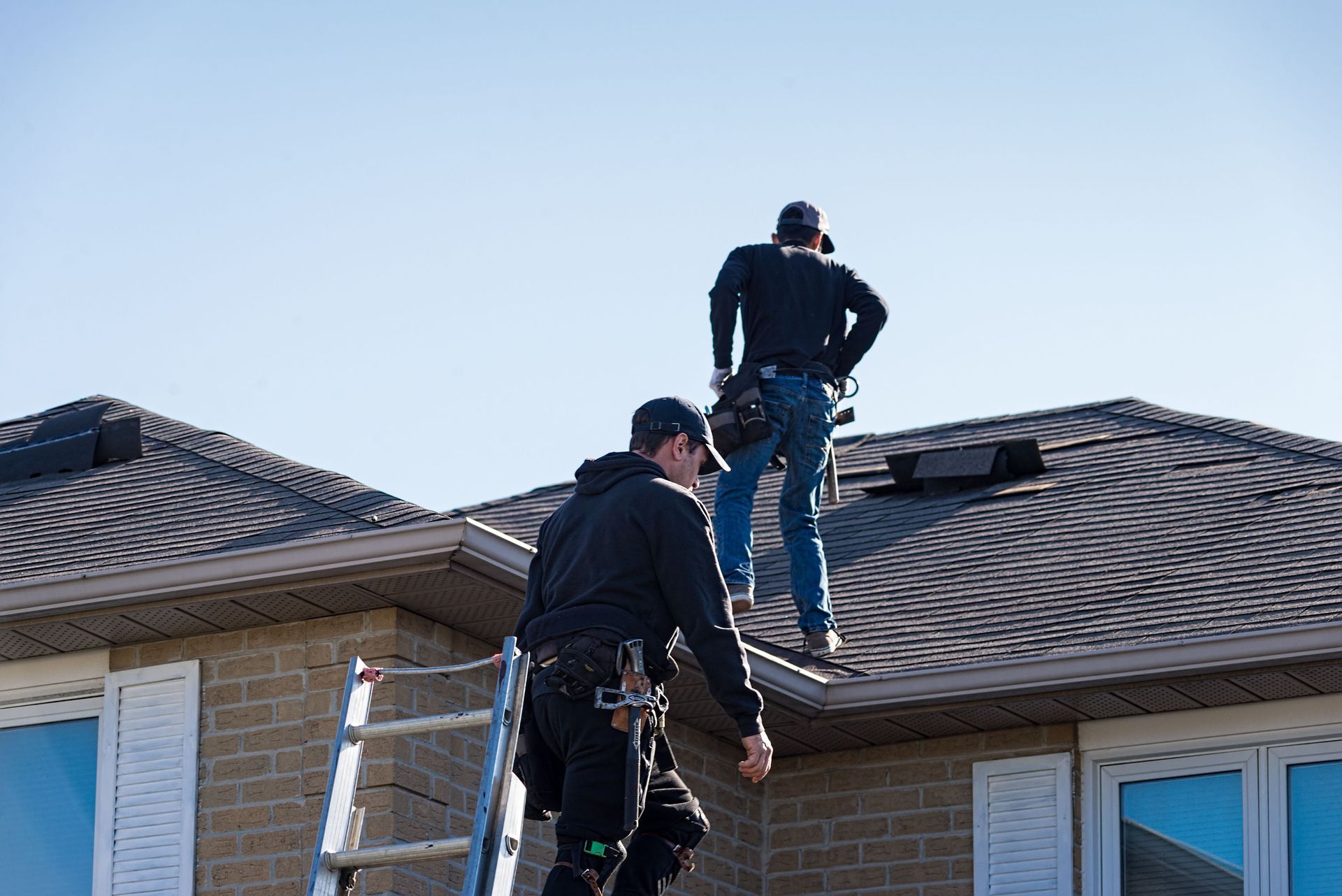
A roof plays a major role in protecting a home from weather, moisture, and temperature changes. Over time, exposure to sun, rain, wind, and storms can lead to wear that may not be obvious from the ground. That is why a roof inspection is an important part of maintaining a property's condition. During a roof inspection, professionals look for signs of damage, aging, and other concerns that could affect the roof's performance. Some findings may be minor, while others can point to larger issues that require attention. Understanding what these common inspection findings mean can help property owners make informed decisions about their roofing system.
Identifying Missing or Damaged Shingles
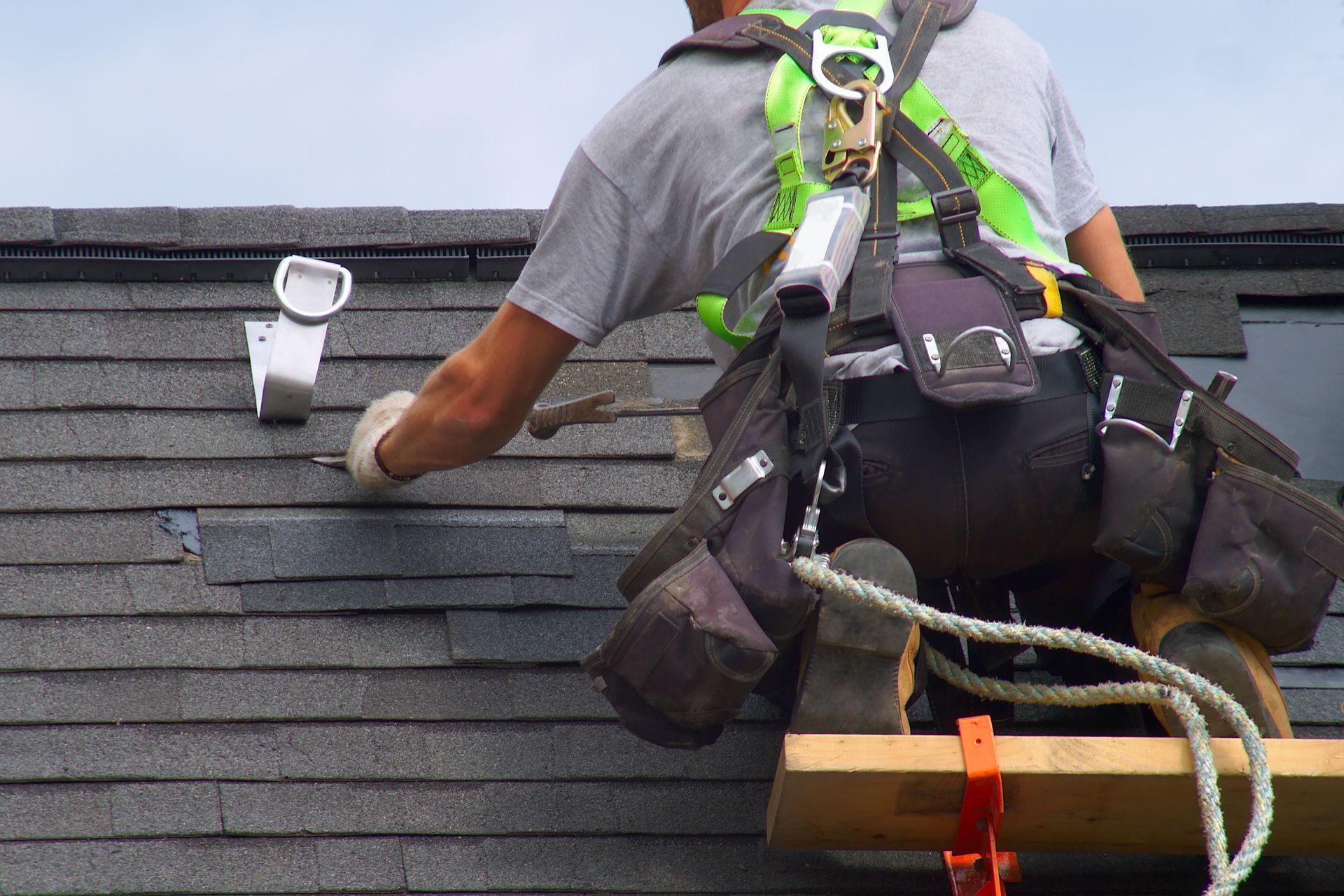
One of the most common issues found during a roof inspection is missing or damaged shingles. Strong winds, severe weather, and normal aging can cause shingles to crack, curl, loosen, or fall away completely. When shingles become damaged, the roof's protective layer is weakened. This can leave the underlying materials exposed to moisture and other environmental conditions. Even a small area of damage can grow into a larger concern if it is not addressed promptly. A roof inspection helps identify these problem areas before they have a chance to affect a larger section of the roof.
Detecting Water Damage
Water damage is another issue frequently discovered during a roof inspection. Moisture can enter through damaged roofing materials, worn flashing, or other vulnerable areas. Signs of water damage may include stains, discoloration, soft spots, or evidence of moisture beneath the roofing surface. Water that enters the roof system can affect structural components and contribute to additional problems over time. Finding moisture-related concerns early can help prevent more extensive damage and support the long-term condition of the roof.
Finding Flashing Problems
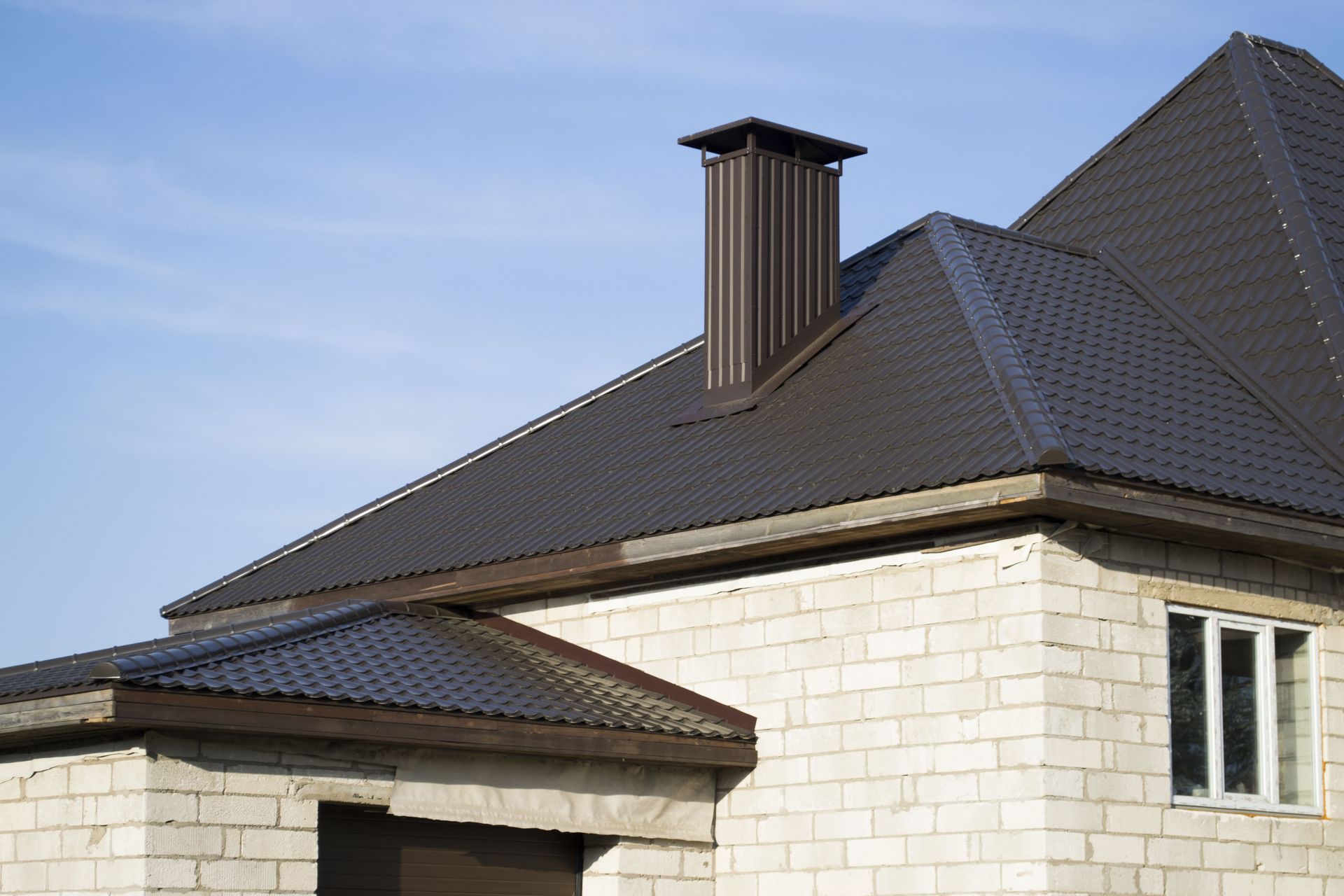
Flashing is installed around roof features such as chimneys, vents, and skylights. Its purpose is to direct water away from areas where leaks are more likely to occur. During a roof inspection, damaged, loose, or deteriorated flashing is often identified. Flashing can become worn from age, weather exposure, or movement within the structure. When flashing is no longer functioning properly, water may find a path into the roof system. Professional evaluation can determine whether repairs or replacement may be needed to restore proper protection.
Discovering Sagging Areas
A sagging roof surface can be a sign of underlying structural concerns. During a roof inspection, professionals carefully look for areas that appear uneven, sunken, or out of alignment. Sagging may result from long-term moisture exposure, weakened structural components, or excessive weight placed on the roof. While some cases may be minor, others can indicate more significant issues that require prompt attention. When sagging areas are found, further evaluation may be needed in order to determine the cause and the best path forward.
Noticing Granule Loss
Many roofing materials contain protective granules that help shield the surface from weather and sunlight. Over time, these granules can wear away naturally. During a roof inspection, signs of granule loss may appear as bare spots, uneven surfaces, or an accumulation of granules in drainage areas. While some loss is expected as a roof ages, excessive loss can indicate advanced wear. Granules help protect roofing materials from prolonged exposure to ultraviolet rays and changing weather conditions. As they disappear, the roof surface may experience faster deterioration. A roof with significant granule loss may become more vulnerable to weather-related damage and may have a shorter remaining lifespan.
Examining Ventilation Concerns
Proper ventilation plays an important role in the overall performance of a roofing system. During a roof inspection, ventilation issues are often evaluated alongside other roofing components. Poor ventilation can contribute to excessive heat buildup and moisture accumulation within attic spaces. Over time, these conditions may affect roofing materials and other parts of the structure. In warmer months, trapped heat can place additional stress on roofing materials, while excess moisture can create conditions that affect surrounding structural components. Identifying ventilation concerns during a roof inspection can provide a clearer picture of the roof's overall condition and potential areas for improvement.
Recognizing Moss and Algae Growth
Moss and algae growth are common findings in certain climates and shaded areas. While they may seem like cosmetic issues at first, they can sometimes contribute to moisture retention on the roof surface. A roof inspection can reveal areas where growth has become widespread or where moisture-related conditions may be encouraging its development. Moss can hold moisture against roofing materials for extended periods, while algae may create dark streaks that affect the roof's appearance. When moss or algae growth is present, professional assessment can help determine whether it is affecting the condition of the roofing materials and whether further action may be recommended.
Evaluating Gutter Related Issues
Although gutters are separate from the roof itself, they play an important role in directing water away from the structure. During a roof inspection, gutter conditions are often reviewed because drainage problems can affect roof performance. Clogged, damaged, or improperly functioning gutters can allow water to collect where it should not. This may increase the risk of moisture-related concerns around the roof edge and surrounding areas. Addressing drainage issues can help support the overall health of the roofing system and reduce the likelihood of future problems.
Assessing Signs of Aging
Every roof experiences wear over time. During a roof inspection, professionals often evaluate the overall age-related condition of roofing materials. Common signs of aging may include surface deterioration, fading, cracking, or widespread wear across multiple areas of the roof. These findings do not always indicate immediate failure, but they can provide insight into how much useful life may remain. According to Home Inspection Trends, about 17.5% of inspected roofs are recommended for complete roof replacement. This statistic highlights how often inspections uncover conditions that go beyond minor repairs. It also shows why regular evaluations are valuable for understanding the current state of a roof and planning for future needs.
Reviewing Storm-Related Damage
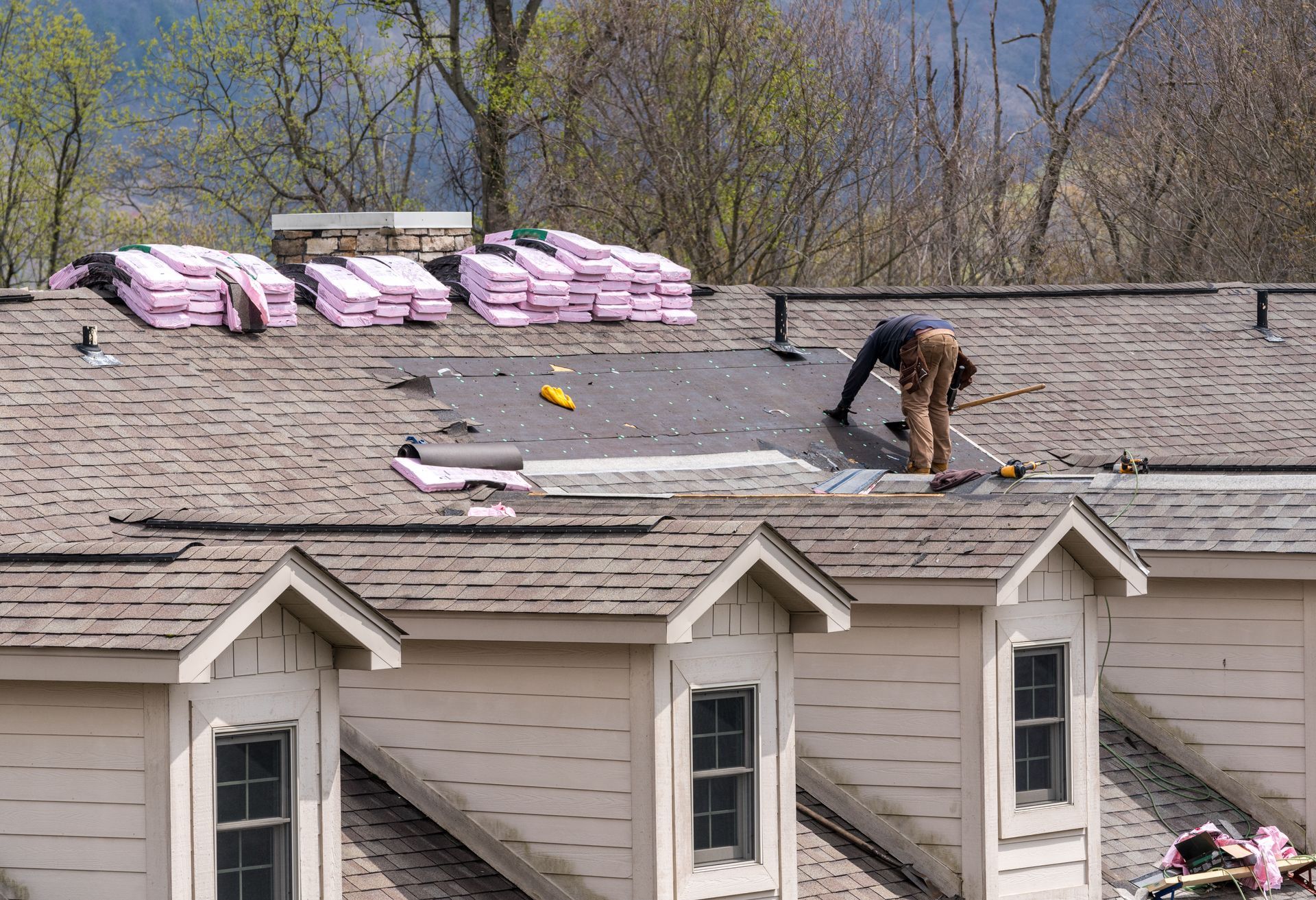
Severe weather can affect roofing systems in many ways. High winds, hail, heavy rain, and falling debris may leave behind damage that is not always easy to spot from the ground. A roof inspection following a major weather event can reveal cracked materials, displaced components, punctures, or other storm-related concerns. Some forms of damage may appear minor initially but can worsen over time if left unaddressed. Identifying storm damage early allows property owners to better understand the condition of their roof and determine what steps may be necessary.
Not every issue found during a roof inspection requires immediate action. Some findings may simply indicate normal aging, while others may suggest the need for repairs or more extensive work. The purpose of an inspection is to provide a clear picture of the roof's current condition. This information helps property owners understand what is happening above their homes and what concerns may need attention in the future. When inspection findings raise questions, seeking professional help can provide valuable guidance and help determine the most appropriate next steps.
A roof inspection can uncover a wide range of issues, from missing shingles and flashing problems to water damage, aging materials, and storm-related concerns. Understanding what these findings mean can help property owners make informed decisions about maintaining their roofing system and addressing problems before they become more serious. If it has been a while since your last roof inspection, contact Tim the Roof Guy, LLC today to schedule a professional roof evaluation and gain a better understanding of your roof's current condition.